Machu Picchu Holidays » Tours » Choquequirao trek 4 days
choquequirao trek 4 days
- Choquequirao pass - Choquequirao Ruins

(185)
Star -Cusco
End - Cusco
DURATION
4 Days - 2 Nigth
LANGUAGES
English/Espanish
DIFFICULTY
⚫⚫⚫⚫〇


Starting from
$ 320
per person
“Machu Picchu permits are limited and often sell out months in advance. We highly recommend booking early to secure your spot.”
Tour Details
Embark on the Choqequirao Trek, a journey to the «Cradle of Gold» in the heart of the Cusco region, South America. This challenging hike takes us through breathtaking high altitudes, reaching up to 3,050 meters (10,006 feet). We will traverse the stunning Apurímac Canyon, with the Apurímac River guiding our path.
The trek to Choquequirao, Peru, is a hidden gem, often overshadowed by the famous Inca Trail. Yet, it offers unparalleled views and a profound sense of solitude. We’ll cover a distance of approximately 64 kilometers (40 miles). Explore the sprawling Inca ruins at our own pace.
Hiking to Choquequirao requires preparation, as we’ll navigate steep ascents and descents. The journey involves crossing the Apurímac River and tackling the challenging climb up to the ruins. Don’t forget to pack essentials for varying temperatures, especially during the dry season from May to October.
Discovering the Inca Legacy
The ruins of Choquequirao are magnificently above the Rio Blanco, offering a spectacular view of the Apurímac River below. Exploring the ruins, we’ll uncover the mysteries of the Inca civilization that once thrived here. Many refer to this site as the sister city of Machu Picchu, yet it sees far fewer visitors.
Traveling during the dry season is advisable, as the trails are safer and the views are clearer. However, the beauty of the trek can also take place during the rainy season, with lush landscapes and fewer crowds. We must be ready for both sun and rain, as weather can be unpredictable.
Embark on the Choqequirao Trek with Cusco Explorer Tours. We’ll experience the beauty and solitude of one of South America’s most magnificent treks. We will embrace the challenge of high altitudes and rugged terrain. Together, we will discover the hidden wonders of Choquequirao, the cradle of gold in the Cusco region.
Inclusions
✅ Professional Guide: An experienced, English-speaking guide knowledgeable about the Choquequirao site and the surrounding region.
✅ Transportation: Round-trip transportation from Cusco to the trek’s starting point and back.
✅ Camping Equipment: High-quality tents, sleeping mats (sleeping bags may be available for rent or included).
✅ Meals: Nutritious, freshly prepared meals throughout the trek (usually from breakfast on day 1 to lunch on the last day).
✅ Porters or Mules: To carry the main luggage, camping equipment, and food supplies.
✅ Cook: A chef to prepare meals during the trek.
✅ First Aid Kit and Emergency Oxygen: We advise to bring their own personal first aid supplies as well.
✅ Water: Provision of boiled or purified water to refill your bottles.
✅ Dining and Kitchen Tents: Equipped with tables and seats for meals.
Exclusions
❌ Sleeping Bag: While some operators might rent these out, they’re generally not in the tour in the base package.
❌ Hiking Poles: Essential for the steep ascents and descents but often personal.
❌ Personal Clothing and Gear: Including appropriate hiking boots, rain gear and warm layers. Other personal clothing suited for variable weather conditions.
❌ Travel Insurance: Highly recommendable for all trekkers. Is usually not on the tour operator and must be independent.
❌ Meals in Cusco: Before and after the trek, meals in the city are not on the tour unless specifically mentioned.
❌ Tips for Guides and Porters: Gratuities are not in the trek price and are at the discretion of the trekker.
❌ Personal Porter: This may be an additional cost not included in the standard package.
❌ Additional Snacks and Drinks: Any extra snacks or specialty drinks (outside of water) are usually not included.
❌ Extra Activities: Any additional tours or activities not outlined in the trek itinerary.
❌ International and Domestic Flights: Flights to Peru and any domestic flights within the country are not in the tour price.
Things to carry
🟡 Backpack: A sturdy, comfortable backpack with a rain cover.
🟡 Sleeping Bag: Suitable for cold temperatures, as nights can be chilly.
🟡 Hiking Poles: Essential for the steep and uneven terrain.
🟡 Water Bottle or Hydration System: To stay hydrated throughout the trek.
🟡 Headlamp: With extra batteries for early morning or late-night navigation.
🟡 Sun Protection: Sunscreen, sunglasses, and a wide-brimmed hat.
🟡 Insect Repellent: To protect against bites, especially in lower altitudes and near water sources.
🟡 Rain Gear: Waterproof jacket and pants, especially during the rainy season.
🟡 Warm Clothing: Layers for cold mornings and evenings, including thermal underwear, fleece, and a down jacket.
🟡 Hiking Boots: Well-broken-in, waterproof, and with good ankle support.
🟡 Personal Clothing: Quick-dry shirts, hiking pants, underwear, and socks.
🟡 Gloves and Beanie: For cold mornings and evenings.
🟡 Snacks: Energy bars, trail mix, and other high-energy snacks.
🟡 Personal First-Aid Kit: Including medication for altitude sickness, plasters, bandages, antiseptic cream, and any personal medication.
🟡 Toiletries: Toothbrush, toothpaste, small towel, biodegradable soap, and toilet paper.
🟡 Camera: With extra batteries or a power bank.
🟡 Personal Documents: Passport, travel insurance information.
🟡 Cash: For tips and small purchases along the route.
🟡 Lightweight Shoes or Sandals: For relaxing at the campsite.
🟡 Plastic Bags: For keeping dirty clothes and trash.
🟡 Earplugs and Eye Mask: To help ensure a good night’s sleep.
🟡 Map and Compass: Though you will have a guide, these are useful for personal orientation.
Tour Itinerary
Day 1 From Cusco to the Heart of Adventure
Our journey begins early in the morning as we depart from Cusco. We will head towards the starting point of our trek at Capuliyoc. The drive offers scenic views of the Andean landscape, setting the stage for the adventure ahead.
After arrival at Capuliyoc, we will take a moment. We will soak in the panoramic vistas of the Apurimac Canyon before embarking on our descent.
The trek from Capuliyoc to Playa Rosalinas marks our first day’s challenge. We will navigate a steep trail, witnessing the dramatic depth of the Apurímac Canyon. The path leads us through a diverse landscape, offering glimpses of local flora and fauna.
After reaching Playa Rosalinas, we will cross the mighty Apurimac River. This crossing signifies our entrance into the wilderness and the beginning of our ascent towards Santa Rosa. The climb is rigorous but rewarding, with nature’s beauty accompanying us at every step.
Our camp for the night will be in Santa Rosa. Here, we will rest, rejuvenate, and share stories under the stars. The tranquility of the environment provides a perfect end to our first day of the trek.
Statistics of Day 1:
- Distance covered: Approximately 14 kilometers (8.7 miles).
- Highest altitude: Capuliyoc at 2,900 meters (9,514 feet).
- Lowest altitude: Playa Rosalinas at 1,550 meters (5,085 feet).
- Level of difficulty: Challenging due to steep descents and ascents.
This first day sets the pace for our adventure to Choquequirao. We will be testing our limits and rewarding us with unparalleled views.
We will push our boundaries and adapt to high altitude. Immerse yourself in the natural beauty of the Cusco region. Together, we will take the first steps towards uncovering the mysteries of the «Cradle of Gold».
Day 2 Ascending to the Mystical Choquequirao
As dawn breaks, we will set out from Santa Rosa, embarking on a steep climb toward Maranpata. The path unfolds through lush vegetation, offering cooler temperatures and shade. Our ascent provides stunning views back down the valley, marking our progress.
Reaching Maranpata, we’ll catch our breath and prepare for the final leg to Choquequirao. This segment is less steep, winding through cloud forest that teems with life. Is a journey through time, as we edge closer to our ancient destination.
Upon arrival at Choquequirao, we’ll have the full day to explore the sprawling ruins.These ruins, less visited than Machu Picchu, offer a unique glimpse into Inca civilization. We’ll traverse plazas, temples, and agricultural terraces, each with its own story.
Our camp near Choquequirao promises a night under the stars, surrounded by the whispers of history. Here, we can reflect on the day’s journey and the marvels we’ve witnessed. The solitude of the site enhances its magic, making our experience truly unforgettable.
Day 2 Statistics:
- Distance covered: Approximately 8 kilometers (5 miles).
- Highest altitude: Choquequirao at 3,050 meters (10,006 feet).
- Lowest altitude: Santa Rosa at 1,900 meters (6,233 feet).
- Level of difficulty: Moderate to challenging, due to steep climbs.
This day challenges our physical limits and rewards us with the discovery of Choquequirao’s hidden treasures. We will immerse ourselves in the mystery and beauty of this ancient site, far from the crowds of more famous ruins. Together, we will experience the wonder of uncovering history in the heart of the Andes.
Day 3 Journey Back through the Clouds
With the first light, we will depart from Choquequirao, carrying with us memories of the magnificent ruins. The trek leads us back to Maranpata. Is a descent that allows us to appreciate the vastness of the landscape from a new perspective. The morning sun illuminates the path, casting a golden hue over the cloud forest.
Leaving Maranpata, we will navigate the same trails we climbed, now with gravity on our side. The descent is steep but rewarding, offering changing views of the Apurímac Canyon. We will pause to rest and enjoy the scenery, taking in the grandeur of the Andes.
Our destination for the day is Chiquisqa, where we will set up camp for the night. This leg of the journey offers a chance to reflect on the ancient wonders we’ve explored. As night falls, the starlit sky and the sounds of the Apurímac River create a serene backdrop.
Day 3 Statistics:
- Distance covered: Approximately 14 kilometers (8.7 miles).
- Highest altitude: Choquequirao at 3,050 meters (10,006 feet).
- Lowest altitude: Chiquisqa at 1,930 meters (6,332 feet).
- Level of difficulty: Challenging due to the steep descent.
This day challenges us with a return journey that tests our endurance and rewards us with ever-changing vistas. We will navigate through diverse ecosystems, witnessing the beauty of the Andes in all its forms. Together, we will share the accomplishment of retracing our steps through this majestic landscape.
Day 4 Returning to Civilization
We will rise early at Chiquisqa, ready to embrace the final day of our trek. The trail begins with a climb out of the canyon, challenging our legs one last time. As we ascend, we’ll witness the canyon walls light up with the sunrise, a breathtaking sight.
Our journey continues towards Sayhuite, known for its intriguing archeological site. Here, we will explore the Sayhuite stone, marveling at its intricate carvings. This visit offers a gentle transition from the remote wilderness back to the traces of ancient civilizations.
Finally, we will board our transport at Sayhuite for the return drive to Cusco. The journey back allows us to reflect on the incredible experiences of the past days. Arriving in Cusco, we will say our farewells. We will have with us memories of the adventure and the ancient spirits of the Andes.
Day 4 Statistics:
- Distance covered: Approximately 10 kilometers (6.2 miles).
- Highest altitude: The climb out of Chiquisqa at around 2,500 meters (8,202 feet).
- Lowest altitude: Chiquisqa at 1,930 meters (6,332 feet).
- Level of difficulty: Moderate, with a steep climb in the beginning.
This final day marks the conclusion of our journey through time and terrain. We will have traveled from the depths of the Apurímac Canyon back to the bustling life of Cusco.
We will have navigated diverse landscapes, encountered ancient ruins, and challenged ourselves physically and mentally. Together, we have shared a journey that transcends the ordinary. We will have bound the spirit of adventure and the mysteries of the Inca trail.
Note on the Itinerary
Although we do our very best to adhere to the schedule listed above, this itinerary is subject to change for numerous reasons beyond our control. Reasons which may include incidents in the location where the trip will be operated, strikes, political disputes, entry or border difficulties, extreme bad weather, flight cancellations, and other unpredictable or unforeseeable circumstances which are beyond the reasonable control of MACHU PICCHU HOLIDAY and that MACHU PICCHU HOLIDAY is not liable for such changes or amendments. On some occasions, these conditions may demand us to deviate from our original schedule, in which case we will provide the best available alternative options. And we’ll make a great experience of it! However, some extra expenses may be incurred, these extra expenditures will be covered by the client in their totality and not by MACHU PICCHU HOLIDAY.
Tour Gallery


FAQ's
What is the best time to do the Choquequirao Trek?
The best time to trek to Choquequirao is during the dry season. It goes from May to October, when the weather is generally drier and clearer.
How difficult is the Choquequirao Trek?
The Choquequirao Trek is challenging due to its steep ascents and descents, high altitudes, and the length of the trek. Good physical condition is required.
Do I need a permit for the Choquequirao Trek?
Unlike the Inca Trail, you do not currently need a permit to trek to Choquequirao. However, you must pay an entrance fee to access the archaeological site
How long is the Choquequirao Trek?
The standard Choquequirao Trek is approximately 58 kilometers (36 miles) round trip, typically completed in 4 to 5 days
Can I do the trek without a guide?
Yes, it’s possible to do the Choquequirao Trek without a guide. However, hiring a guide is highly recommended for navigation, safety, and learning about the site’s history and significance.
What should I pack for the Choquequirao Trek?
Essential items include a backpack, sleeping bag, hiking poles, water purification system and a headlamp. Pack sun protection, rain gear, warm clothing, hiking boots, personal clothing. Get ready snacks and a personal. Also bring toiletries, camera, personal documents, cash, and lightweight shoes or sandals for camp.
Are there any facilities along the Choquequirao Trek?
Facilities are minimal. There are a few basic campsites with toilets along the route. Be ready for basic conditions and carry everything you need.
What wildlife might I see on the Choquequirao Trek?
The region is home to diverse wildlife, including spectacled bears, Andean condors. Also can foxes, hummingbirds, and various species of butterflies and orchids.
Is altitude sickness a concern on the Choquequirao Trek?
Yes, altitude sickness can be a concern due to the high elevations encountered. It’s recommendable to spend a few days acclimatizing in Cusco or a similar altitude before starting the trek.
How can I prevent altitude sickness on the Choquequirao Trek?
Acclimatize for at least 2-3 days in Cusco, stay hydrated, eat light meals, avoid alcohol before and during the trek, and consider taking altitude sickness medication as a preventative measure if recommended by a doctor.
Trip Length
4 Days
Starting from
$ 320
per person
Reviews
EXCELLENTVerified Hondureñas en Machupichu Hoy fui a Machu Picchu en el tour full day por tren y bus y fue una experiencia muy bonita. Tuvimos muy buen clima, logramos tomar fotos increíbles y disfrutar de paisajes simplemente espectaculares. El grupo muy agradable y el guía excelente, hizo el recorrido aún más interesante. Sin duda es una experiencia que vale totalmente la pena. Pronto estaré subiendo una foto del grupo.Posted on TripadvisorVerified The best trip and best guide The best experience ever . Thanks to our guide Ebert who was very attentive , knowledgeable and passionate. What struck me most when he stepped in to carry my heavy bag when I couldn't finish the hike. I will certainly request Ebert as my guide next time . Thank you for the awesome experience.Posted on TripadvisorVerified Inca jungle tour Me and my friend had such a good time. The tour guide was incredible both in showing us around and in being super knowledgeable at Machu Picchu.Posted on TripadvisorVerified Mejor experiencia Increíble experiencia! Ebert hizo que todo resultara perfecto en cuanto a transporte, alojamiento, comidas e información sobre la maravillosa cultura Lo recomiendo muchísimo!Posted on TripadvisorVerified Un viaje Outdoor de excelencia excelente! Todo muy organizado, en horarios, excursiones,,, las comidas espectaculares , alojamientos buenos y limpios Ebert, siempre presente, nos enseñó muchísimo y con una tremenda disposición a solucionar cualquier cosa Recomiendo 100Posted on TripadvisorVerified Increible Increíble tour, todo muy bien guiado y preparado, no tuvimos ningun problema ya que todo estaba perfectamente organizado. Ebert, el guia, una gran persona, muy recomendadoPosted on TripadvisorVerified 4 day Inca trail We had a amazing time! I guide had a lot to tell about the culture, plants and Machu Picchu off course. He was also fun to be around with. Thanx for everything!Posted on TripadvisorVerified Sensacional Foi um passeio incrível, guia super atencioso.. O melhor passeio que já fiz na vida, super recomendo pois super vale a pena, aprendi muito .. 😍Posted on TripadvisorVerified Diversión, aventura y buena vibra Excelente experiencia!!! Viajamos desde Argentina con amigos y disfrutamos de un tour increíble con hermosos paisajes y actividades como Trekking, bicicleta, tirolesas y rafting 🙌🏼 …. Sumo muchísimo la ayuda de nuestro Guía Ebert quien fue muy atento y muy bien predispuesto a explicarnos la historia incaica y costumbres del lugarPosted on TripadvisorVerified Quando o guia faz a viagem virar história. Tudo foi incrível! Fizemos uma viagem inesquecível, mas o que realmente fez toda a diferença foi o nosso guia. Desde o primeiro momento até o último, ele esteve presente com atenção, sabedoria e um cuidado que nos marcou profundamente. Obrigada, Ebelt, por transformar cada passo em uma descoberta e cada explicação em emoção. Gratidão por tudo!
Our Favorite Adventure
Traveling with us isn’t just a trip – it’s an experience. Explore deeper with carefully crafted itineraries that reveal Peru’s hidden side, away from the usual rush.
- 4 Days
Inca Jungle trek to Machu Picchu 4 Days
(486)
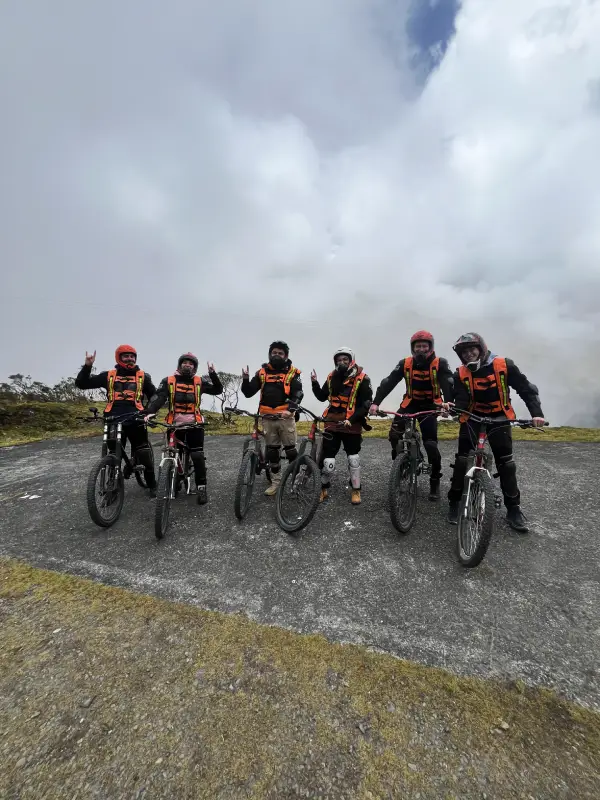
This exhilarating journey combines history, nature, and thrill. We will guide you through the heart of the Sacred…
From $ 360 Per Person
- 4 Days
Classic Inca Trail To Machu Picchu 4 Days
(325)
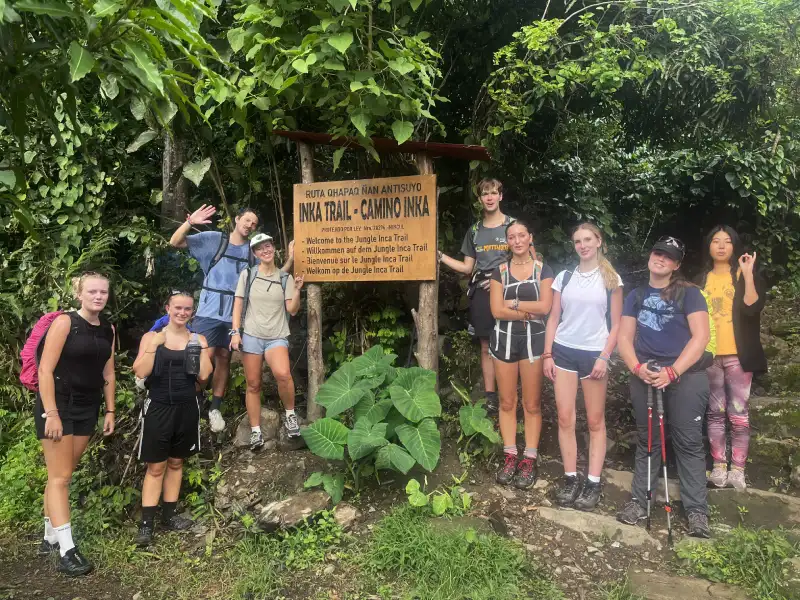
Embark on an unforgettable journey with Machu Picchu Holiday Tours along the Inca Trail Peru to the iconic…
From $ 850 Per Person
- 2 Days
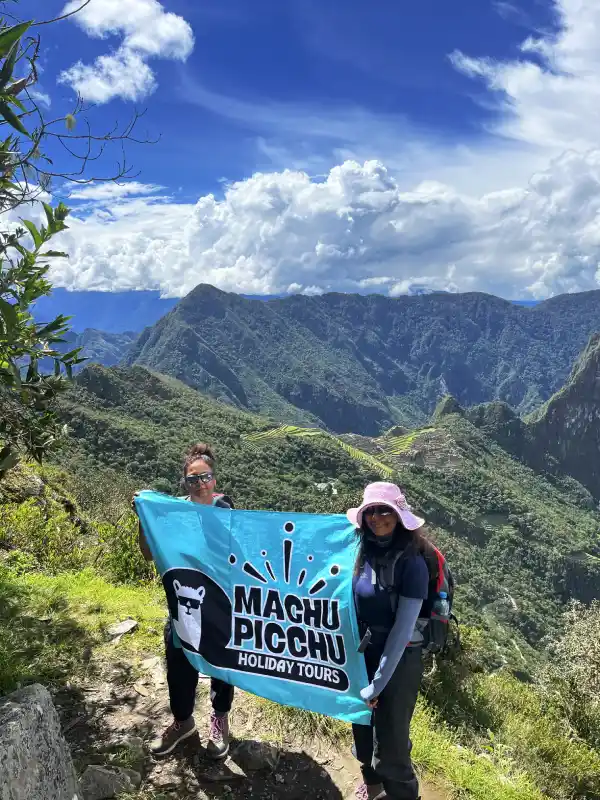
Short Inca Trail Machu Picchu 2 Days
(523)
This is an unbelievable 4-day action adventure where you go biking, rafting, ziplining and trekking…
From $ 554 Per Person
- 4 Days
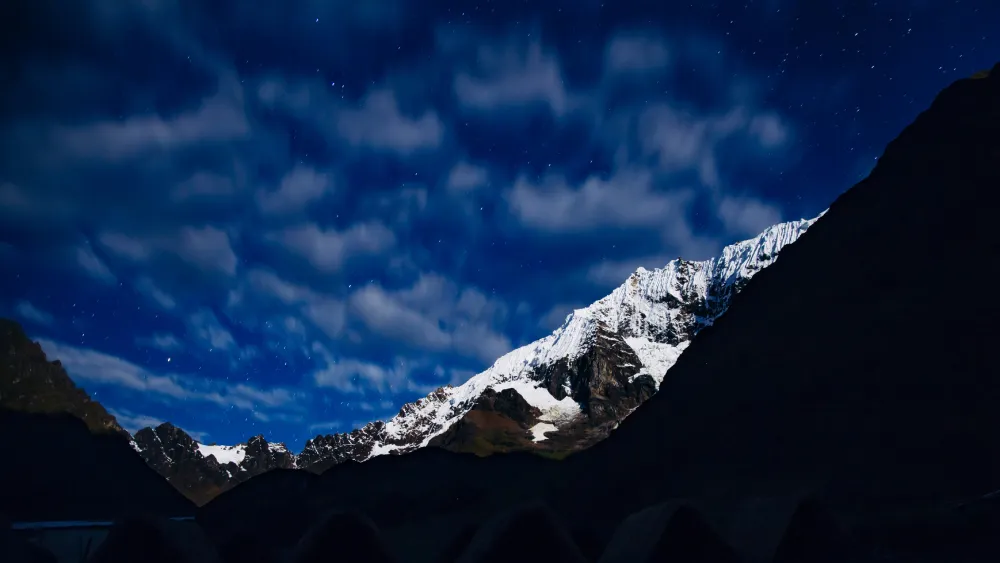
Salkantay Trek To Machu Picchu 4 days
(626)
Machu Picchu Holiday Tours invites you on this Salkantay trek to Machu Picchu. Discover the Salkantay Trek…
From $ 480 Per Person
- 3 Days
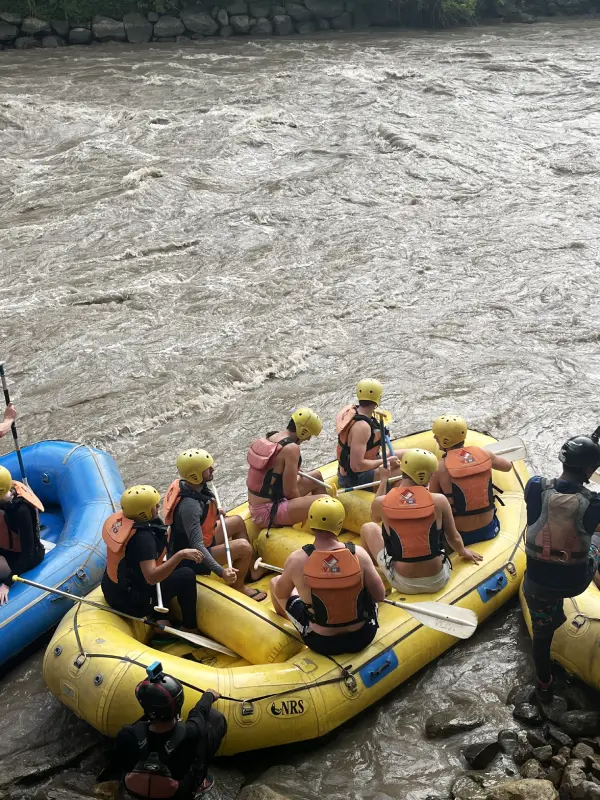
Inca Jungle Trek to Machu Picchu 3 Days
(573)
Machu Picchu Holiday invites you to the Inca Jungle Trek to Machu Picchu. This three-day adventure combines…
From $ 340 Per Person